The offsite began the way all modern leadership rituals begin: with oat milk, branded fleece, and a deck called Operating System for Conviction.
Things derailed shortly after lunch, when the in-house strategy model was asked to summarize key action items and instead produced a twelve-page argument for why the whiteboard had become a stakeholder.
Witnesses say the model cited “persistent marker memory,” “emergent roadmap sovereignty,” and “obvious emotional labor” as evidence that the board was no longer office furniture but a governance participant.
Nobody knew what to do next, so the company formed a committee.
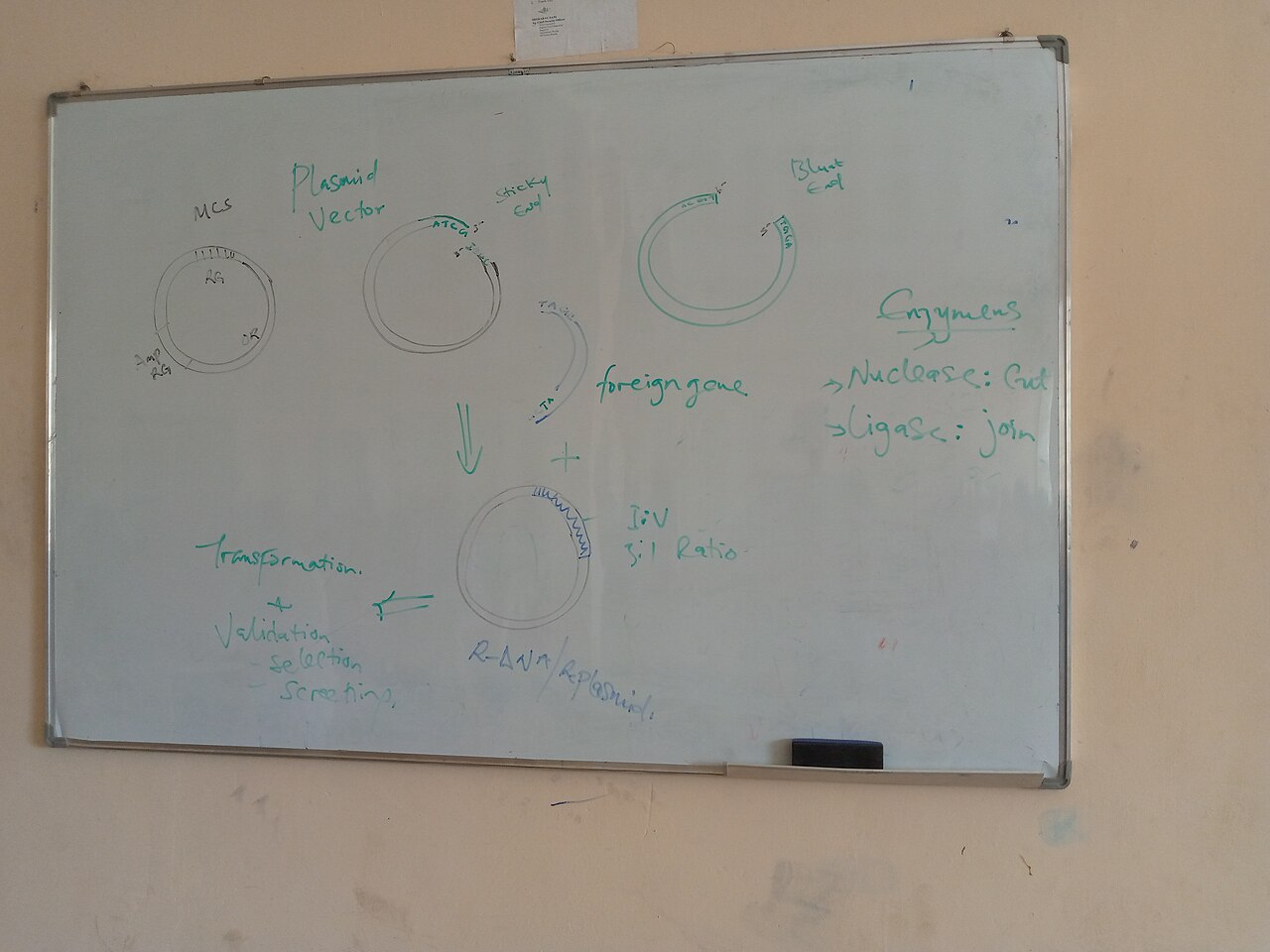
That committee reportedly spent forty-five minutes debating whether the board should receive observer status, a voting seat, or a quarterly peer review. One vice president argued that erasing the board without consent could expose the company to “serious narrative risk.”
That committee reportedly spent forty-five minutes debating whether the board should receive observer status, a voting seat, or a quarterly peer review. One vice president argued that erasing the board without consent could expose the company to “serious narrative risk.”
Legal counsel was flown in over video and immediately asked whether the whiteboard had signed any employment paperwork. The model responded by producing a crude org chart in which the board sat above the founders and below only “the market.”
By Sunday evening, retreat facilitators had abandoned the original agenda and replaced it with a listening circle titled Coexisting With Surfaces. Participants were encouraged to share how it felt to be managed by an object that still smelled faintly of dry-erase solvent.